

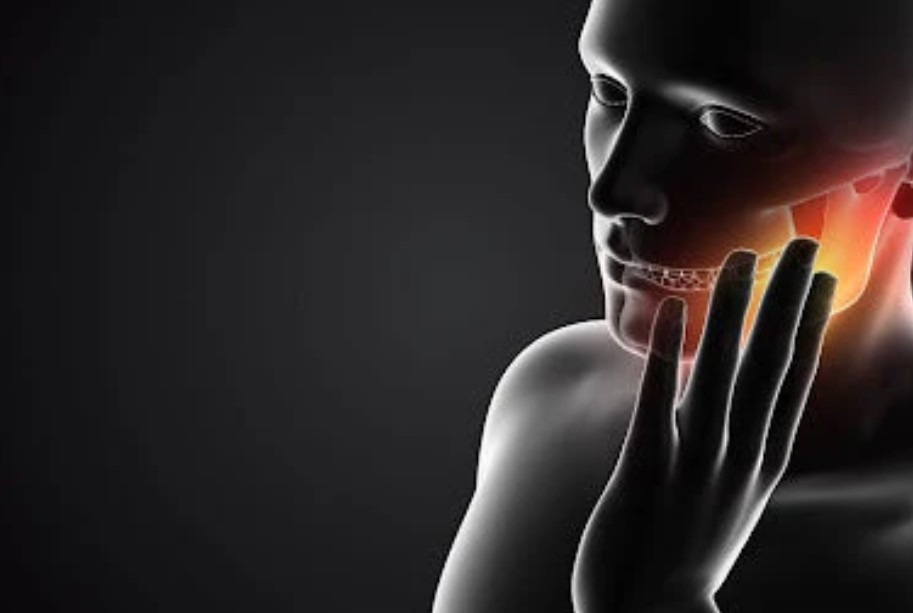
Sudden pain on one side of your jaw can be alarming, but it’s usually not serious. You might worry about dental issues such as a cavity or abscessed tooth or wonder if you’ve been grinding your teeth at night.
There are several possible causes of one-sided jaw pain. Here, we’ll go over some of the main causes, note other symptoms to look for, and let you know when it might be time to see your doctor or dentist.
Should I be concerned?
Generally, jaw pain on one side isn’t cause for immediate concern. But in rare cases, it can be an early sign of a heart attack. Anyone can experience this symptom, but it does occur more commonly in women.
If you’re having a heart attack, you’ll likely have some other signs along with jaw pain, including:
pressure or pain in your chest that goes away when you rest but keeps coming back
tightness, pain, and pressure in your chest and arms, which can spread to your jaw, neck, back, and stomach
heartburn or indigestion
shortness of breath
nausea, vomiting, and stomach pain
extreme tiredness
dizziness and lightheadedness
sudden cold sweats
These symptoms can develop suddenly or come on slowly, over several hours or days. If your jaw pain is accompanied by some of these symptoms, seek emergency treatment or have someone drive you to the hospital.
Common causes
Here’s a look at the most likely causes of jaw pain.
- TMJ disorders
Temporomandibular joint (TMJ) disorders affect the joint that connects your skull and jaw. A disc separates the bones in this joint and helps it move properly. If the disc becomes misaligned or the joint is damaged, you could experience pain and other symptoms on one or both sides of your jaw.
Other symptoms of TMJ disorders include:
tenderness around your jaw
earache
pain, clicking, or popping when chewing or opening your mouth
difficulty opening and closing your mouth if the joint locks
Multiple factors can contribute to TMJ disorders, so it’s not always easy to find a specific cause.
Issues known to play a part in TMJ disorders include:
arthritis
teeth clenching or grinding
tissue damage
tooth damage or misalignment
jaw infection or injury
damage to the cartilage in the joint
If you have symptoms of a TMJ disorder, talk to your healthcare provider or dentist to figure out the underlying cause.
- Sinusitis
Inflammation in your nasal cavities can cause sinusitis. This tends to happen if you’ve had a cold, but allergies and other medical conditions can also contribute to sinusitis.
If the sinus cavities behind your cheeks, known as the maxillary sinuses, are inflamed, you might feel pain in one or both sides of your jaw.
Other symptoms of sinusitis include:
nasal congestion that makes it hard to breathe through your nose
yellow or green mucus that drains from your nose or into your throat
facial pain, pressure, and swelling
pressure and pain in your ears and head
fatigue
difficulty smelling or tasting
Sinusitis often clears up on its own, but it may be worth checking in with your healthcare provider if lasts more than a week.
- Dental problems
Pain on one side of your jaw can often be traced to dental or oral health concerns.
Common dental problems that cause jaw pain include:
cavities
an abscessed tooth
growth of wisdom teeth
gum disease or tooth decay
missing or misaligned teeth
tooth grinding or clenching
If dental issues are to blame, you’ll likely have additional symptoms, such as:
tooth pain that lingers or comes and goes
sensitive teeth
painful, bleeding gums
sores in your mouth
bad breath or persistent dry mouth
pain when chewing or swallowing
Facial swelling and fever along with severe tooth pain may indicate an abscess. Call your dentist or healthcare provider right away for these symptoms, especially if breathing and swallowing become difficult.
Tips for relief
If you have mild or temporary pain in your jaw, you may not need medical treatment. If the cause isn’t serious, pain usually improves once the issue clears up.
In the meantime, these approaches can help you manage it:
Use heat. Heat helps relax your muscles and can help relieve aches and stiffness.
Use ice or cold compresses. These can help numb pain and may be particularly helpful if you’re also experiencing swelling.
Try nonprescription pain relief. Acetaminophen (Tylenol), ibuprofen (Advil), and other over-the-counter pain medications can help relieve pain temporarily. Be sure to follow the dosage instructions on the package. If the recommended dose isn’t effective or you need to take pain relievers for more than a few days, it’s best to see your healthcare provider.
Rest your jaw when possible. Choosing foods that don’t require a lot of chewing can help you avoid overworking your jaw muscles.
Try massage. A healthcare provider, physical therapist, or massage therapist can use massage therapy to help release pain and tension in your jaw. You can also learn how to use some techniques on your own. They may be especially helpful for TMJ disorders.
Try to relax. If your jaw pain comes from grinding or clenching your teeth, relaxation techniques can help you avoid using this as a stress response. Relaxing your muscles can also help relieve pain.
Change your sleeping position. If you always sleep on the same side or sleep with your hand under your jaw, this could put pressure on your muscles. Switching the side you sleep on could help your pain. Even if your pain has a different cause, sleeping on the other side could help relieve pain at night.
SOURCE. healthline.com